Phinisi Boat For Sale

Buyer’s guide

How to Buy a Phinisi Yacht: The Ten Stages

Acquiring a phinisi is unlike buying a Western yacht. From picking a Bira shipyard to flagging the vessel, this is the playbook our brokerage runs with every buyer.

10 stages
Shortlist to first season
3 payments
Offer · survey · transfer
Always
Independent survey and sea trial
PT PMA
Foreign ownership route

Quick answer

Buying a phinisi runs in ten stages: decide the use case, set total capital, choose between a working hull and a turn-key vessel, shortlist and inspect, survey, offer, contract, ownership structure, flag registration, then crew and first season.

  • Independent survey, sea trial and document audit are conditions of sale, not optional extras.
  • Foreign buyers hold the vessel through a PT PMA carrying the flag, or through a bareboat arrangement.
  • Payments are staged against milestones — offer, survey, transfer — with the beneficiary matching the contracting entity each time.

Stage one

Decide Why You Are Buying

Cabin count, beam and systems all follow from what the vessel is for. Each of the three below points at the hull on the current book that actually fits that use.

VIP II · USD 153,000

Private cruising yacht

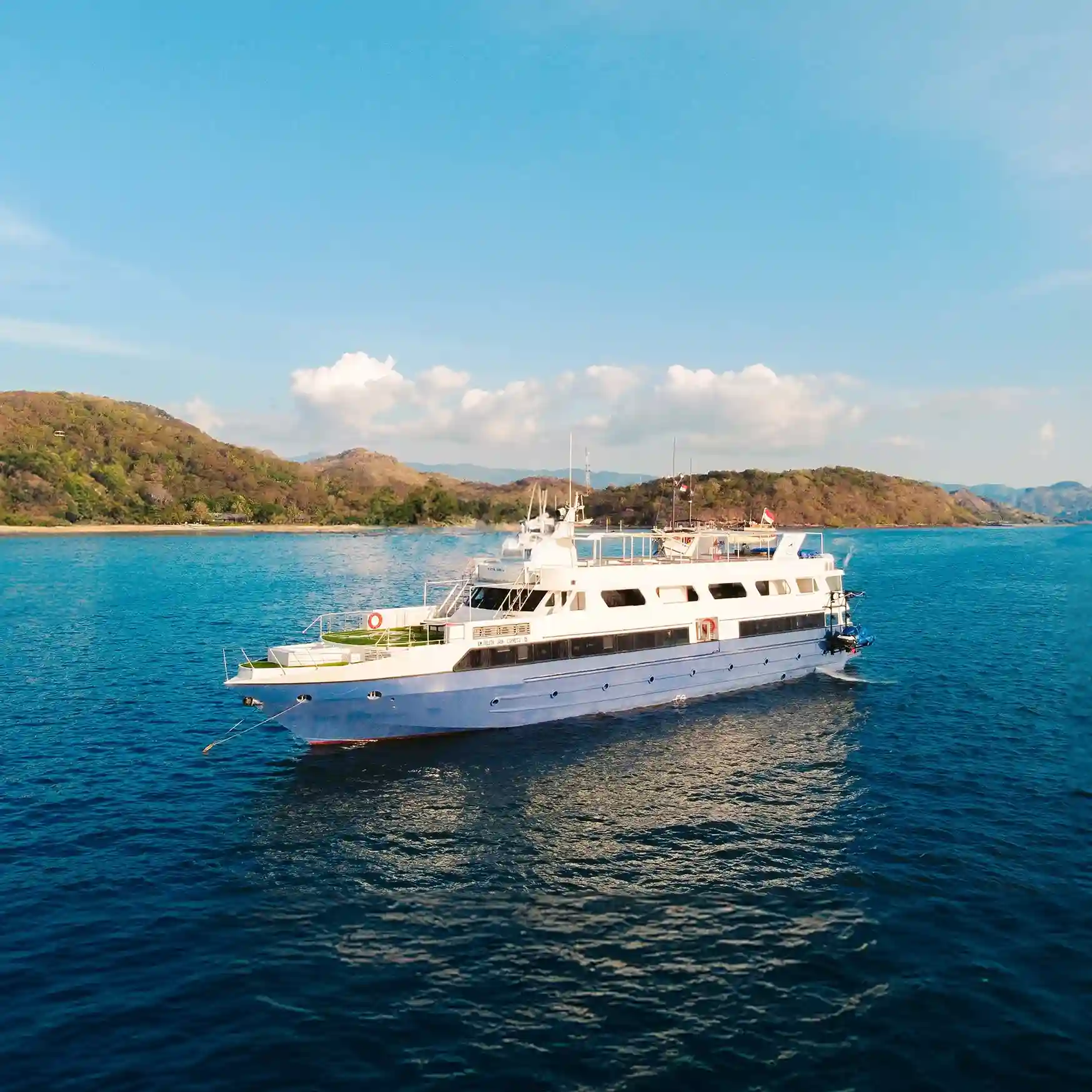
The smallest hull on the book at 22 m, five cabins for twelve. Nothing here is sized for a paying charter calendar, which keeps both the purchase and the running of it modest. Held privately, no commercial certification needed.

VIP V · USD 553,000

Charter-operating phinisi

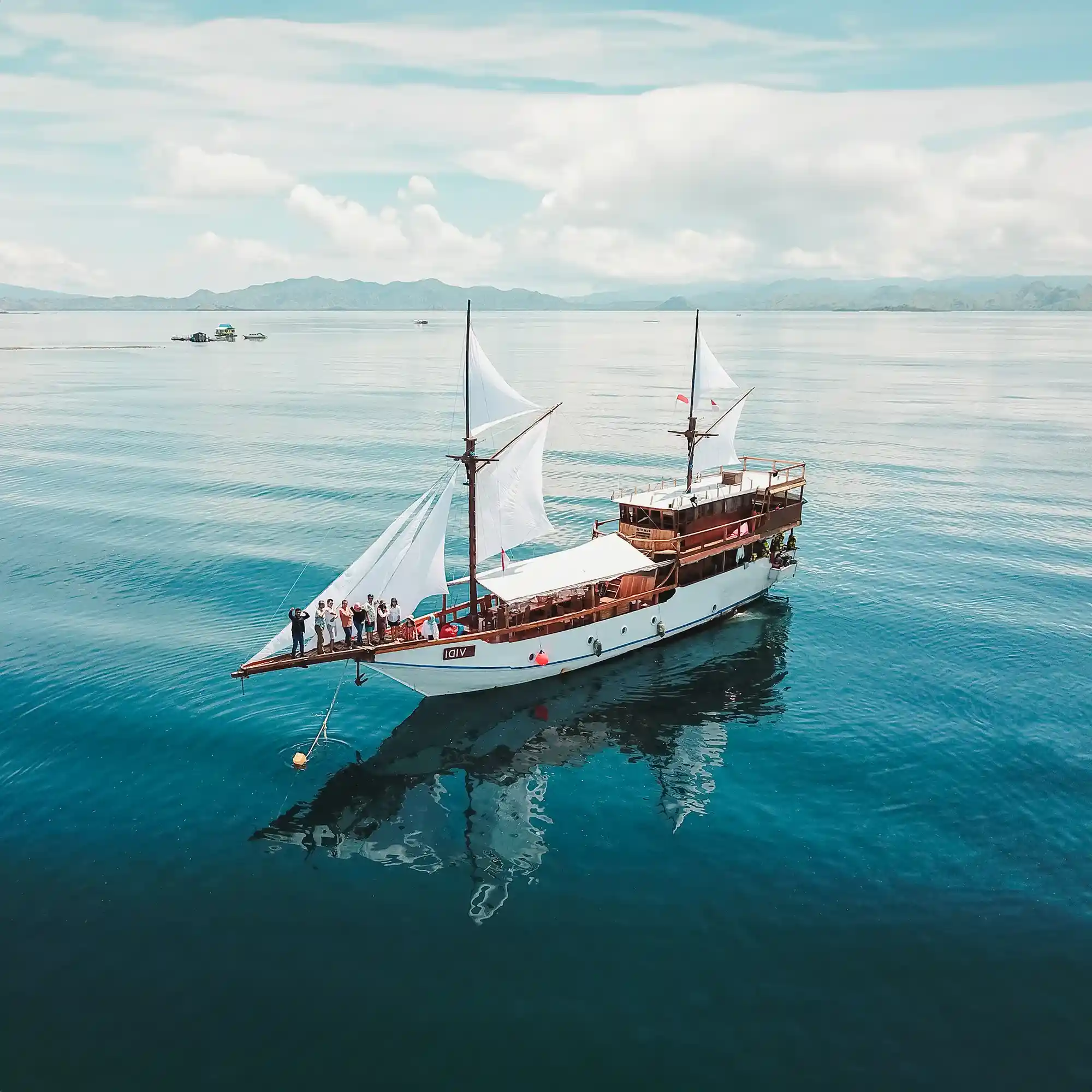
Sixteen cabins for thirty guests across 38 m, 50 tons of water aboard, radar and AIS fitted. To charter in Indonesia the vessel is held by a PT PMA carrying the flag. Placed in managed charter it runs on the group’s own crews and calendar.

VIP VI · USD 682,000

Hospitality-asset phinisi

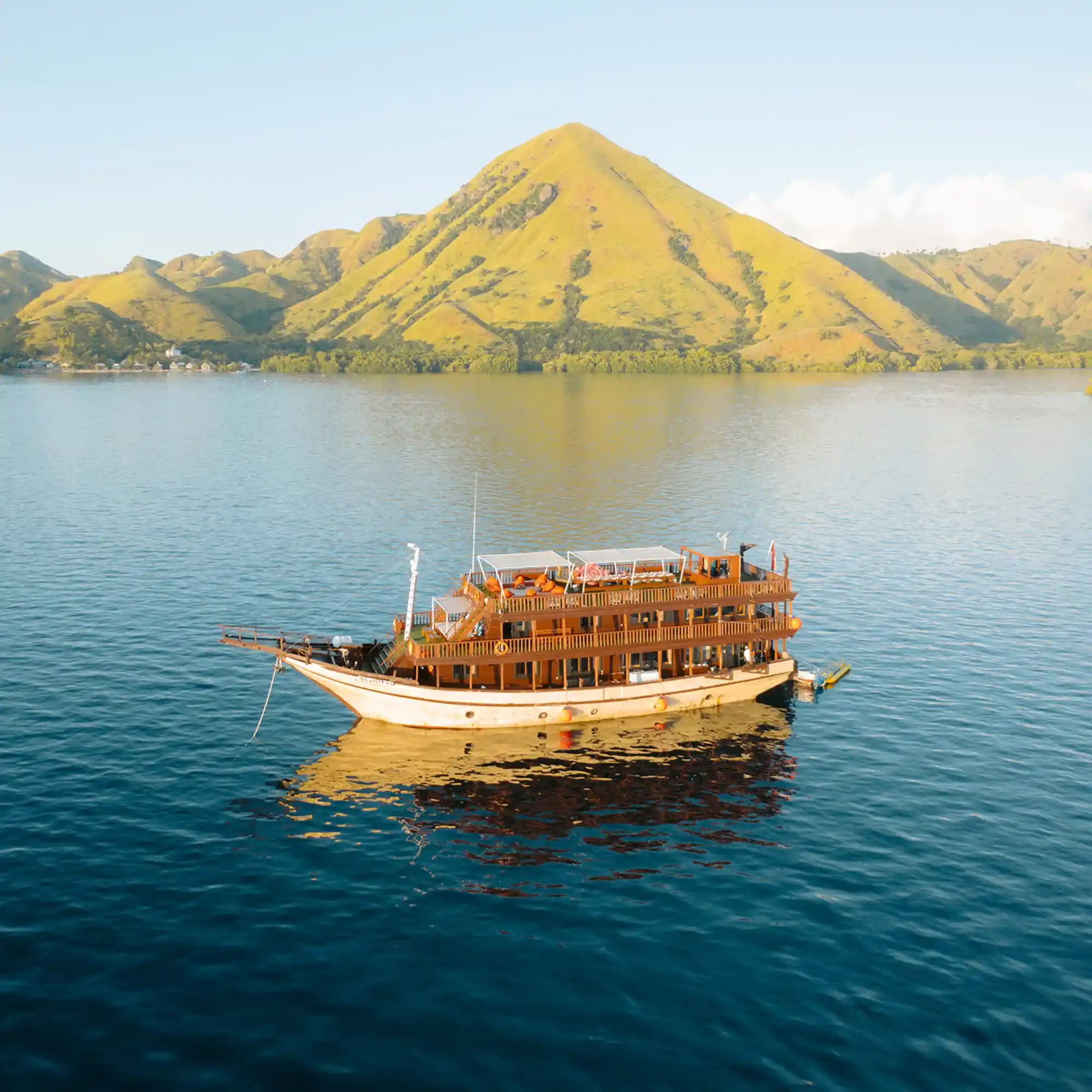
Ironwood and teak, eight cabins for 21–25 guests, every one air-conditioned and ensuite, with a jacuzzi deck and balcony. The most finished vessel available and the one that photographs to a brand standard.

Stage two

Set Capital Against a Real Vessel

The book runs USD 153,000 to USD 682,000. Pick the hull first, because what it costs to own follows from what it is, not from a percentage rule.

VIP II · 22 m
USD 153,000

5 cabins, 12 guests, Mitsubishi 6d16, 5,000 L water

VIP III · 27 m
USD 153,000

7 cabins, 20 guests, Mitsubishi 6d16, 8,000 L water

VIP IV · 27 m
USD 553,000

10 cabins, 20 guests, 9.5 m beam, water maker, radar

VIP V · 38 m
USD 553,000

16 cabins, 30 guests, 50 tons water, radar and AIS

VIP VI · 38 m
USD 682,000

8 ensuite cabins, 21–25 guests, jacuzzi deck, ironwood and teak

This section previously carried a six-line capital schedule — survey USD 8–18k, refit reserve USD 200–600k, PMA USD 8.5–15k, crew USD 18–30k, provisioning USD 40–90k — and the claim that a USD 2.5M phinisi needs USD 3.0–3.4M committed. Every figure was scaled off the retired prices and none had a source. Ask the desk for the current cost schedule and it replaces this section.

The process

Ten Stages, Start to First Season

Each stage has a decision, a cost and a timeline. Nothing here happens in parallel by accident.

  1. Three profiles

    Decide why you are buying

    Private cruising, charter operation or hospitality asset. The three above drive every specification decision that follows.

  2. USD 153k–USD 1.12M

    Set realistic budget

    Acquisition plus survey, any refit reserve, flag, ownership structure, crew and first season. The desk itemises the cost basis on every listing it publishes.

  3. USD 153k or USD 553k+

    Working hull, or turn-key?

    A working hull — VIP II or VIP III at USD 153,000 — is sound and operating, and priced for a buyer who intends to refit to their own standard rather than pay for someone else’s. A turn-key vessel from USD 553,000 arrives with the cabins, water maker, radar and finish already there, and with an operating history you can audit. New builds are quoted per project.

    Working hulls trade far below turn-key builds. That spread is the single biggest lever on what you pay.

  4. 5 available

    Shortlist and inspection trip

    Every listing is drawn from the same shipyards and operating fleet the group charters each week, so each arrives with an operating history that can be verified — survey records, refit invoices, charter revenue where relevant, and crew notes.

    You keep the photo and video notes regardless of outcome.

  5. Condition of sale

    Survey and sea trial

    Independent marine survey, sea trial and document audit are conditions of sale in the standard contract, not optional extras. Findings are grounds for renegotiation rather than cancellation in most cases.

  6. Cost basis itemised

    Offer and negotiation

    Every listing is priced in USD with the cost basis itemised, so an offer is argued against line items rather than against a headline. Sellers expect dignified negotiation; aggressive lowballs end conversations.

  7. 3 milestones

    Contract and staged payment

    Payments are staged against milestones — offer, survey, transfer — with the beneficiary matching the contracting entity at every stage. That last clause is the one protecting a foreign buyer paying into Indonesia.

  8. PT PMA or bareboat

    Ownership structure

    Foreigners buy through the correct structure — typically an Indonesian entity, a PT PMA, holding the flag, or a bareboat arrangement. The desk walks buyers through the compliant routes with counsel before any deposit moves.

  9. Indonesian flag

    Flagging and registration

    The PT PMA holds the flag, which is what permits in-country charter. Counsel confirms the route before any deposit moves.

  10. Managed charter

    Crew, provisioning, first season

    Many buyers place the vessel into managed charter with the group’s operations team — the same crews, standards and calendar that run its own fleet. Indicative net yields for professionally managed vessels run 6–14% a year.

    Indicative only and never guaranteed. A written projection with a downside case is prepared per owner.

Stage zero

Start With the Intake Form

Tell us the use case and the ceiling and we come back with the hulls that actually fit — five are available today, from USD 153,000 to USD 682,000. Two offices, Bali (Seminyak) and Labuan Bajo.

Or call +62 811-3941-4563

  • Every listing arrives with survey records, refit invoices and crew notes
  • Reply within 4 business hours, weekdays
  • Our fee comes from the seller, never from you