Updated: July 2026
Exploring the Cultural Heritage of Phinisi Boats
The cultural heritage of phinisi boats reflects the rich maritime history and craftsmanship of the Bugis and Makassar people, symbolising Indonesia’s enduring seafaring traditions.
Understanding the Phinisi Cultural Heritage
The phinisi cultural heritage is deeply rooted in the seafaring traditions of Indonesia, particularly among the Bugis and Makassar communities of Sulawesi. These traditional boats are a symbol of the region’s long-standing maritime prowess, representing centuries of skill, artistry, and cultural significance. The Bugis and Makassar people have been renowned for their shipbuilding skills, with their expertise recognised throughout Southeast Asia. The phinisi boats are not just vessels; they are a representation of their builders’ identity and connection to the ocean, an integral part of their cultural narrative.
The History of Phinisi Boats
The history of phinisi boats dates back to the 14th century, making them an integral part of Indonesia’s nautical history. Originally used for trade, these ships were designed for both speed and capacity, enabling long-distance voyages across Southeast Asia. Historical records suggest that phinisi boats played a crucial role in the spice trade, as they were capable of carrying large quantities of goods over vast distances. Over the centuries, the design and craftsmanship of phinisi boats have been passed down through generations, preserving their cultural and historical significance. The boats were traditionally used to transport goods such as spices, textiles, and other commodities between islands and across international waters, facilitating trade and cultural exchange in the region.
Cultural Significance of Phinisi
The cultural significance of phinisi boats goes beyond their functional use. They embody the ingenuity and resilience of the Bugis and Makassar people, illustrating their connection to the sea. Each phinisi is traditionally built using local materials and age-old techniques, making them a living heritage that reflects the identity and communal spirit of their makers. The process of building a phinisi is often a community effort, involving skilled artisans, family members, and friends, each contributing to the construction and eventual launch of the vessel. This collective effort strengthens community bonds and ensures that the knowledge and skills required to build these boats are passed on to future generations.
Craftsmanship and Design
The construction of a phinisi boat is a meticulous process that showcases the exceptional skills of the artisans. Each vessel is crafted by hand, using traditional tools and methods that have been honed over centuries. The design typically features two main masts and seven sails, a configuration that is both aesthetically pleasing and highly functional. The unique design allows phinisi boats to navigate the challenging waters of the Indonesian archipelago with ease, making them well-suited for long voyages. The construction process can take several months to complete, with each stage requiring precision and expertise. From selecting the right type of timber, often ironwood or teak, to the intricate carving and assembly of the hull, every step is crucial to the boat’s performance and longevity.
Modern Uses of Phinisi Boats
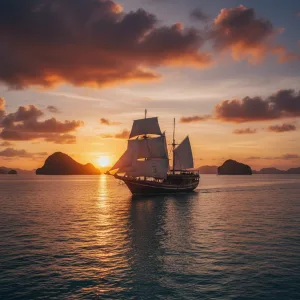
While phinisi boats were historically used for trading, they have found new life in modern times. Today, these vessels are often repurposed for tourism, offering unique sailing experiences around Indonesia’s stunning archipelago. This adaptation not only supports local economies but also helps in the preservation of phinisi cultural heritage by keeping the tradition alive. Many phinisi boats have been converted into luxury liveaboard vessels, providing tourists with the opportunity to explore remote islands and marine parks in comfort. These boats offer a unique blend of traditional craftsmanship and modern amenities, attracting visitors from around the world. For those interested in acquiring a piece of this heritage, exploring phinisi boats for sale provides an opportunity to own a tangible piece of history.
2027 Note on Phinisi Cultural Heritage
As of 2027, there is a growing interest in preserving the phinisi cultural heritage through various initiatives and collaborations. Efforts are being made to document traditional building techniques and to promote sustainable practices in the construction of new phinisi boats. This ensures that the legacy of these magnificent vessels continues to thrive, safeguarding their cultural importance for future generations. Educational programmes and workshops are being established to teach young people the skills and knowledge required to build phinisi boats, ensuring that these traditions are not lost. Additionally, partnerships with cultural and maritime organisations aim to raise awareness of the cultural and historical significance of phinisi boats, promoting their preservation and continued use.
FAQ
What is the cultural heritage of phinisi boats?
The cultural heritage of phinisi boats lies in their historical and cultural significance to the Bugis and Makassar people, symbolising centuries of maritime tradition and craftsmanship. These vessels are a to the ingenuity and resilience of their builders, reflecting their deep connection to the sea and their community.
How are phinisi boats constructed?
Phinisi boats are constructed using traditional methods passed down through generations. Artisans use local materials and time-honoured techniques to create these vessels, ensuring each boat is a unique reflection of its cultural roots. The construction process involves selecting high-quality timber, shaping the hull, and assembling the various components using traditional joinery techniques, all of which require a high degree of skill and expertise.
What are the modern uses of phinisi boats?
Today, phinisi boats are often used for tourism and leisure, offering unique sailing experiences. This modern adaptation helps preserve the cultural heritage by keeping the tradition alive and supporting local communities. Many phinisi boats have been transformed into luxury charters, providing visitors with the opportunity to explore Indonesia’s picturesque islands and vibrant marine life while experiencing the unique charm of these traditional vessels.