


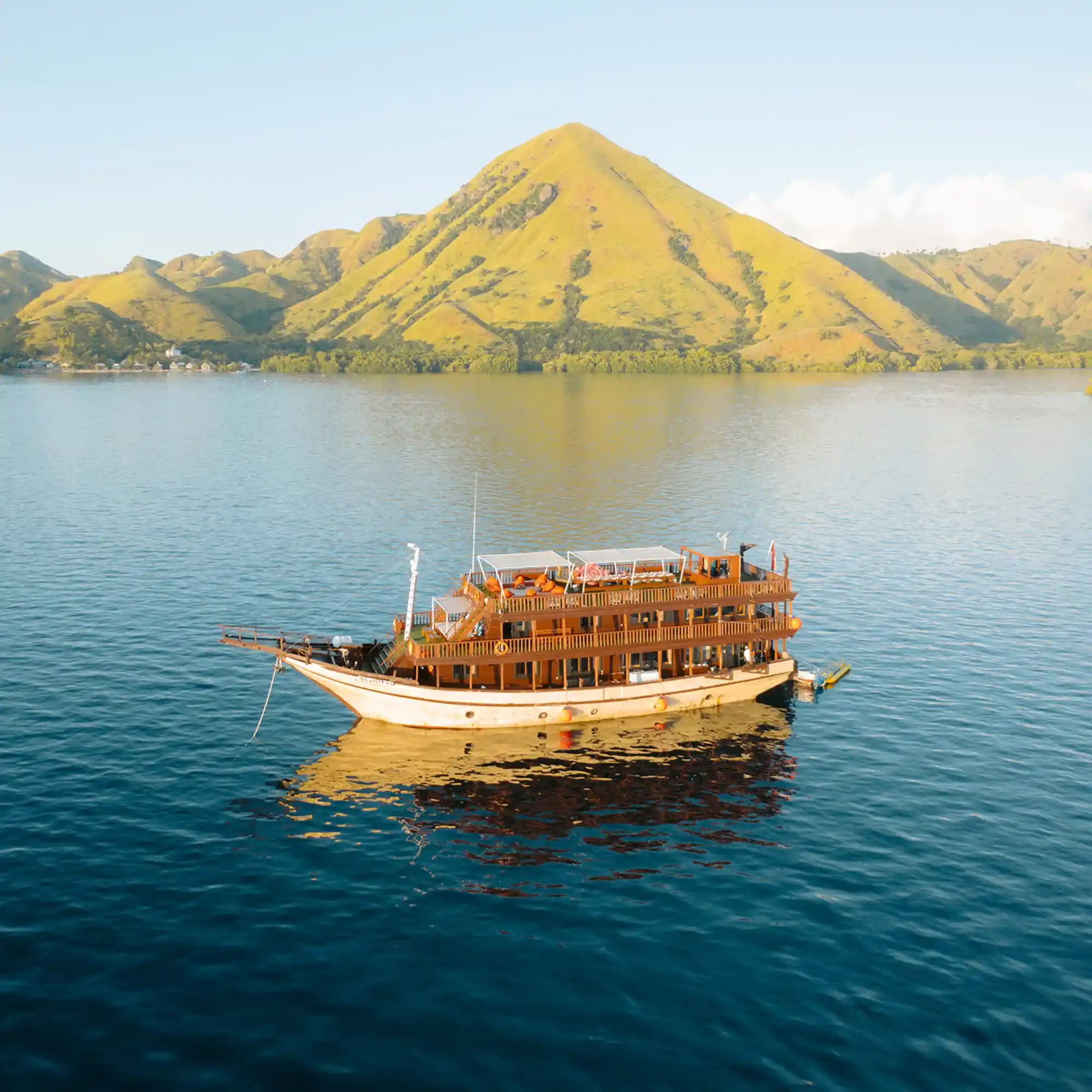

Choosing a Surveyor From a Listing Shortlist

Updated: August 2026
Appoint the surveyor yourself, never the seller. For a phinisi you want someone with documented timber-hull experience specifically, not general yacht survey credentials. The scope must include a haul-out, moisture and fastening assessment, machinery under load, and a written costed defect list you own.
Why the appointment matters more than the credential
A surveyor introduced by the seller or the broker has a continuing commercial relationship with them and a one-off relationship with you. Most are honest and it changes nothing about the incentive structure. The report you rely on to commit six or seven figures should be commissioned by you, paid for by you, and addressed to you, so that it can be used in negotiation and, if necessary, afterwards.
This is also why you should resist a seller who insists on a particular surveyor or who declines a haul-out. Both are substantive findings about the transaction, discussed in listing red flags.
Timber-hull experience is not optional
Most marine surveyors work primarily on fibreglass and steel. A phinisi is a traditional wooden vessel, typically built with an ironwood keel and frames and teak or ironwood planking, fastened and caulked by hand. The failure modes are entirely different: fastening wastage, seam and caulking condition, rot at plank ends and around fastenings, and moisture gradients through the planking.
Ask directly how many timber hulls the surveyor has examined in the last two years, and ask for two redacted sample reports on wooden vessels. A surveyor who has done the work will produce them without hesitation.
Scope to specify in writing
- Haul-out inspection — the underwater hull, keel, sterntube, rudder and propeller, with the vessel out of the water.
- Moisture readings — at garboard, waterline, deck edges and any suspect area, recorded as numbers with locations, not as adjectives.
- Fastening assessment — sample withdrawal where appropriate, checking for electrolytic wastage.
- Caulking and seam condition — with the date of last re-caulking established.
- Machinery under load — main engine and both generators, per engine hours truth.
- Systems — electrical, bilge pumping and alarms, firefighting, steering, and the watermaker.
- Documentation review — tonnage certificate, stability file, and safety equipment against the trading area.
- Costed defect list — the deliverable that drives the negotiation.
What a competent report looks like
It is long, photographic and specific. Findings carry locations and measurements rather than impressions. Defects are graded by urgency — immediate, before next season, monitor — and each carries an indicative cost. The report states clearly what could not be inspected and why, because a survey that claims complete access to a fully fitted vessel is describing an inspection that did not happen. It should also state the vessel’s condition in terms usable by an insurer.
Sequencing and cost
Survey happens after the deposit is in escrow and before funds release, within the survey window agreed in the heads of terms — see step-by-step escrow. Expect a low four-figure USD fee for a full condition and valuation survey on a hull in the twenty to thirty-five metre range, plus haul-out costs and the surveyor’s travel to what is often a remote location. Against the purchase price it is the highest-value spend in the entire process.
Using the report properly
The defect list is a negotiating instrument, not a verdict. The three normal outcomes are a price adjustment, seller completion of specified items before handover, or a retention held in escrow against the work. Decide which you want before you present the findings, and present them as a costed schedule rather than as a complaint. Sellers respond to schedules.
Questions to ask before you appoint
Five questions separate a suitable surveyor from an available one. How many timber hulls have you surveyed in the last two years? Will you conduct the inspection with the vessel hauled out, and if not, why not? Will you sample fastenings, and how will you decide where? Does your report include an indicative cost against each defect? And are you willing to state clearly in the report what you could not inspect? A surveyor who answers all five without hesitation will produce a document you can negotiate with; one who treats the questions as an imposition will produce a document you cannot.
Request the vessel dossier
We will hold the vessel while your own surveyor completes a full haul-out inspection. WhatsApp +62 811-3941-4563 or write to [email protected]. All figures on this site are quoted in USD.
Frequently asked questions
Can I use the seller’s surveyor?
You can, but you should not. The report you rely on to commit six or seven figures should be commissioned by you, paid for by you and addressed to you, so it carries weight in negotiation and afterwards.
What should a phinisi survey cost?
For a hull in the twenty to thirty-five metre range, expect a low four-figure USD fee for a full condition and valuation survey, plus haul-out costs and surveyor travel. Remote locations add meaningfully to the travel component.
Does the vessel need to come out of the water?
For a timber hull, yes. The underwater hull, keel, fastenings, sterntube and rudder cannot be properly assessed afloat, and those are precisely the areas where a wooden vessel’s condition is decided.
What if the surveyor finds serious problems?
You then have three options: adjust the price by the costed defect list, require the seller to complete specific work before handover, or hold a retention in escrow against the work. Walking away remains available if the survey condition was properly drafted.
Phinisi Boat For Sale is a specialist maritime brand and digital platform under Juara Holding Group. Vessel-sale, construction, refit and repair contracts are issued by PT Komodo Galangan Nusantara. Brokerage, central agency and charter-marketing contracts are issued by PT Komodo Bahari Nusantara. Separate contracts, separate fees, separate ledgers.
You may also like

Written and checked by the desk. Figures are dated at the point of writing — our editorial standards explains how, and what happens when something here turns out to be wrong.