Updated: July 2026
Phinisi Boats: A Guide to Ancient Maritime Techniques
Phinisi boats embody ancient maritime techniques through their traditional navigation methods and unique sailing skills, preserving Indonesia’s rich seafaring heritage.
Exploring Ancient Maritime Techniques in Phinisi Sailing
Phinisi boats are an iconic symbol of Indonesia’s maritime prowess, crafted with expertise that has been passed down through generations. These majestic vessels are not just about aesthetics; they are a living embodiment of ancient maritime techniques. The phinisi design combines traditional navigation methods with unique phinisi sailing skills, allowing sailors to traverse vast oceans effectively. Originating from the Bugis and Makassarese people of South Sulawesi, these boats have been used for centuries to trade spices, textiles, and other goods across the archipelagic waters of Southeast Asia.
The Art of Phinisi Construction
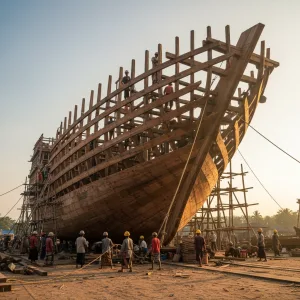
The construction of a phinisi boat is an intricate process that reflects centuries-old craftsmanship. Built primarily from local timber, each vessel is assembled by skilled boat builders who rely on knowledge transmitted orally. This process ensures the durability and seaworthiness of the phinisi, making it a reliable choice for long voyages. Typically, the construction of a phinisi can take several months to over a year, depending on the size and complexity of the design. The expertise required is immense, with each craftsman contributing specialised skills to ensure the vessel’s integrity.
- Selection of Quality Wood: The primary materials used in phinisi construction include ironwood and teak, known for their strength and resistance to decay. Ironwood, locally known as “Kayu Ulin,” is particularly valued for its durability and ability to withstand harsh marine environments.
- Traditional Construction Techniques: Unlike modern shipbuilding, phinisi construction eschews nails, relying instead on wooden pegs and joints. This method, known as “pasak,” ensures that the wood can expand and contract naturally without causing structural damage.
- Attention to Hull Shape: The hull of a phinisi is carefully crafted to ensure optimal sailing performance. The distinctive shape, with its high prow and low stern, is designed to cut through waves efficiently, providing stability and speed.
Traditional Navigation Methods
Sailing a phinisi requires mastery of traditional navigation methods, which are integral to the vessel’s operation. Navigators rely on natural elements such as wind patterns, ocean currents, and celestial bodies to chart their course. This skill set is essential for maintaining the phinisi’s path across the expansive seas. Historically, phinisi sailors used the “Bintang Laut” or “Star of the Sea” as a primary guide, alongside the sun and moon, to navigate the complex waterways of the Indonesian archipelago.
Learning to interpret the stars and understanding the nuances of the wind and tides are crucial skills for any phinisi sailor. These methods not only connect sailors to their environment but also ensure safe passage through Indonesia’s archipelagic waters. Knowledge of local currents, such as the Indonesian Throughflow, is also vital, as these can significantly affect travel times and routes.
Phinisi Sailing Skills in Practice
The phinisi’s design is tailored for the specific sailing skills required to navigate the Indonesian archipelago. Sailors must be adept at handling the vessel’s unique rigging and sail setup. This involves:
- Managing Traditional Sails: The triangular sails, known as “tanjas,” are crucial for maneuverability. These sails are traditionally made from woven palm fibres and are adjusted to capture wind efficiently.
- Adjusting Sails for Propulsion: The sails must be continually adjusted to harness wind power effectively, which requires a deep understanding of wind dynamics and quick reflexes to respond to changing conditions.
- Understanding Weight Distribution: Proper weight distribution is essential for maintaining balance and speed. Crew members must work in harmony to adjust the vessel’s load, ensuring optimal performance during voyages.
Phinisi sailing skills are honed over years of experience, reflecting the dedication of those who sail these legendary boats. The ability to read the sea, anticipate weather changes, and respond to unexpected challenges is a to the sailors’ expertise.
Modern Relevance of Phinisi Boats
In today’s world, phinisi boats continue to be relevant, not only as cultural icons but also as functional vessels. Many are now equipped with modern amenities, catering to the growing demand for luxury cruises and charter services. Despite these modern adaptations, the essence of ancient maritime techniques remains at the heart of every phinisi journey. These vessels now often feature state-of-the-art navigation systems, offering a blend of traditional and contemporary sailing experiences.
Phinisi boats are increasingly popular for tourism, offering unique voyages through Indonesia’s stunning landscapes, such as Komodo National Park and Raja Ampat. These trips provide an opportunity to experience the beauty of Indonesian waters while appreciating the skill and craftsmanship that go into each phinisi.
Discover more about phinisi boats and their enduring legacy in the maritime world.
2027 Note on Phinisi Boats and Maritime Techniques
As we progress through 2027, the interest in phinisi boats and their ancient maritime techniques continues to rise. Enthusiasts and maritime historians alike are drawn to these vessels, intrigued by their historical significance and practical applications. The preservation of phinisi craftsmanship is crucial for maintaining this vital part of Indonesia’s cultural heritage.
Ensuring compliance with modern safety standards is essential. Phinisi builders are now working closely with maritime authorities to integrate safety features such as life rafts, fire extinguishing systems, and communication equipment without compromising traditional design elements. Explore safety and compliance measures for phinisi boats to understand how they blend tradition with contemporary requirements.
FAQ
What ancient maritime techniques are used in phinisi sailing?
Phinisi sailing utilizes traditional navigation methods, relying on celestial navigation, wind patterns, and ocean currents to guide the vessel. These techniques have been practiced for generations, allowing sailors to traverse Indonesia’s vast and varied maritime landscape.
How are phinisi boats constructed?
Phinisi boats are crafted using local timber, employing traditional techniques like pegged joints and careful hull shaping to ensure seaworthiness. This method of construction is a meticulous process that honours the skills and knowledge of past generations.
What makes phinisi boats unique?
Their distinctive design, rooted in ancient techniques, combined with modern adaptations for comfort and luxury, makes phinisi boats unique and enduringly popular. This blend of old and new allows phinisi boats to remain relevant in today’s maritime industry.