
Sustainability
What Is Actually in Place, and What Is Only an Intention
Two lists, kept separate on purpose. Sustainably sourced timber and local employment are how the group builds. Conservation pledges and carbon offsetting were claims this page could not evidence, and they have come off it.
- Sourced
- Teak and ironwood, sustainably
- Local
- Craftsmen employed at Bulukumba
- 0 pledged
- To named NGOs
- Park rules
- Enforced aboard, not aspirational
Quick answer
In place: sustainably sourced teak and ironwood, local craftsmen employed on every build, and marine-park rules enforced aboard. Removed: financial pledges to named conservation organisations and a carbon-offsetting partnership, neither of which could be evidenced.
- A conservation claim borrows an NGO’s credibility, so it needs the NGO’s agreement.
- The park rules aboard are requirements with consequences, not commitments.
- Where something is an intention rather than a practice, this page says so.
Why the conservation pledges came off
The previous version pledged a percentage of commission from every sale to the Komodo Survival Program and the Manta Trust, and claimed a carbon-offsetting partnership with a verified reforestation project in Kalimantan. It also mandated a minimum of 85% Indonesian crew on managed vessels. None was sourced. A pledge that names a conservation organisation and a money flow is the most damaging kind of unverified claim on a page like this: if the money is not moving, the page is using an NGO’s reputation without its knowledge.
Two lists
In Place, and Not Yet
The distinction is whether it happens without anyone deciding to do it.
In place, and evidenced
- Sustainably sourced timber
- Teak and ironwood sourced sustainably for every build, alongside marine-grade metals. It is how the hulls are specified, not a policy layered on top of them.
- Local craftsmen employed
- Builds are carried out by master shipwrights at Bulukumba in South Sulawesi. The employment is the mechanism by which the craft survives, which is what UNESCO’s 2017 inscription protects.
- Marine-park rules aboard
- Nothing overboard, no contact with reef, ranger-led walks ashore. These are park requirements the crew enforces, not guidance offered to guests.
- Sail-assisted operation
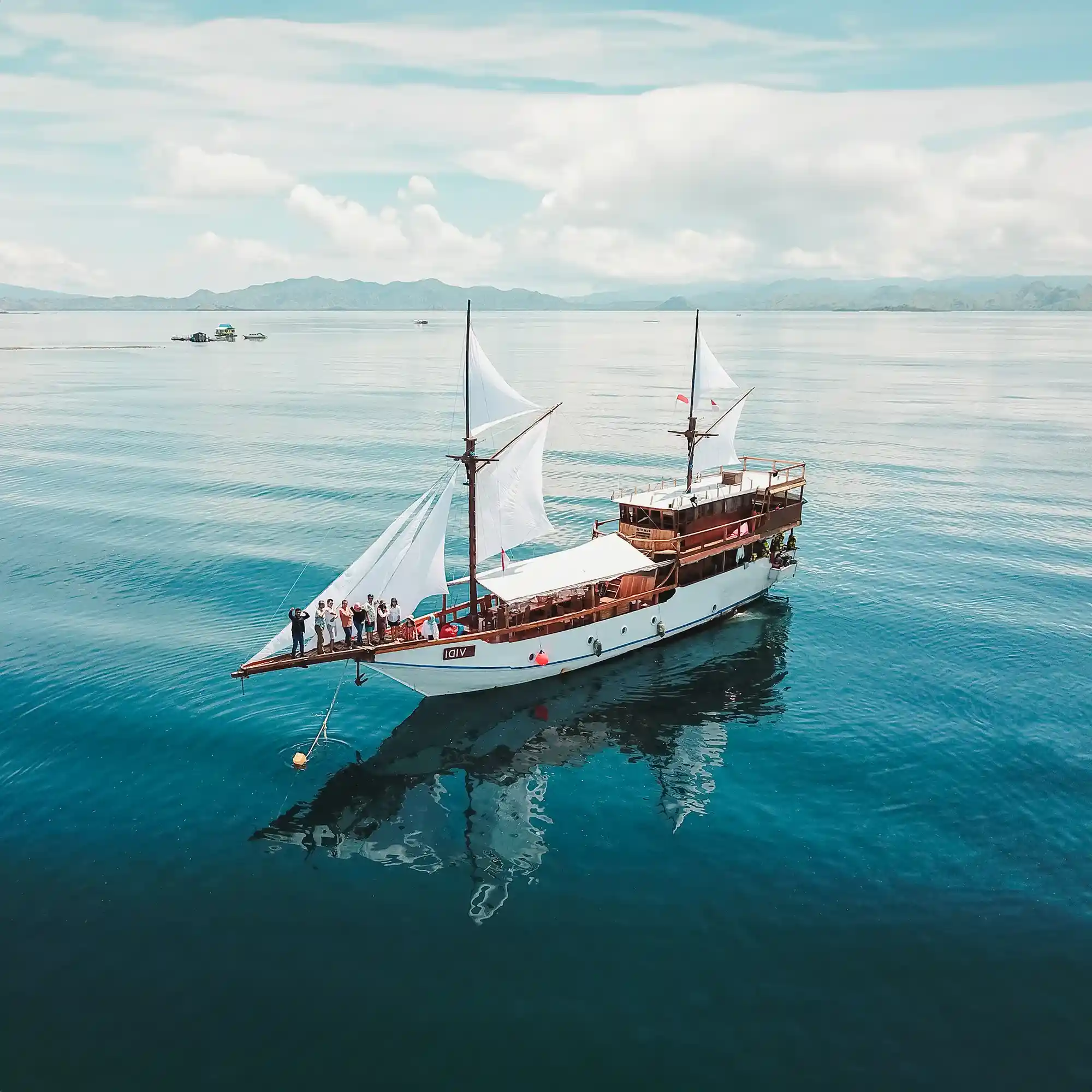
- A gaff schooner rig means a phinisi does not run on engines alone between anchorages. The fuel saving is a property of the vessel type rather than an initiative.
Intention, not yet a practice
- Conservation funding
- Any contribution to a named organisation needs that organisation’s agreement and an auditable flow of money. Until both exist, no NGO is named on this page.
- Carbon offsetting
- A named offset project and a verified methodology, or nothing. The previous claim had neither.
- A crew nationality quota
- The removed 85% figure had no source. Crews are recruited locally in practice; that is a description, not a mandated ratio.
- Wastewater beyond standard
- Advising owners to exceed MARPOL is a recommendation, not something in place. Where a vessel does exceed it, that is a fact about the vessel.
Aboard
The Rules a Guest Will Meet
Komodo is a national park and a UNESCO World Heritage Site. These carry consequences rather than encouragement.
- Required
Nothing goes overboard
No waste of any kind, including anything biodegradable. The crew manages all of it and lands it.
Marine park
- Required
No contact with the reef
Including standing on it. Coral recovers from a footprint over decades, not seasons.
Marine park
- Required
Ranger-led walks ashore
On Rinca and Komodo. The ranger is a safety requirement, and also how visitor pressure on the dragons stays managed.
National park
- Required
Marine sanitation to MARPOL
Sanitation devices assessed against MARPOL as part of the systems pillar at survey.
Regulatory
- Conditional
Anchoring away from coral
Where the anchorage allows it. The captain chooses ground, and it is one of the things local knowledge is actually for.
Captain’s judgment
- Conditional
Single-use plastics
Many vessels operate without them. Whether a specific hull does is a question for that vessel rather than a group policy.
Per vessel
The craft, and the employment
Where the Sustainability Argument Actually Lives
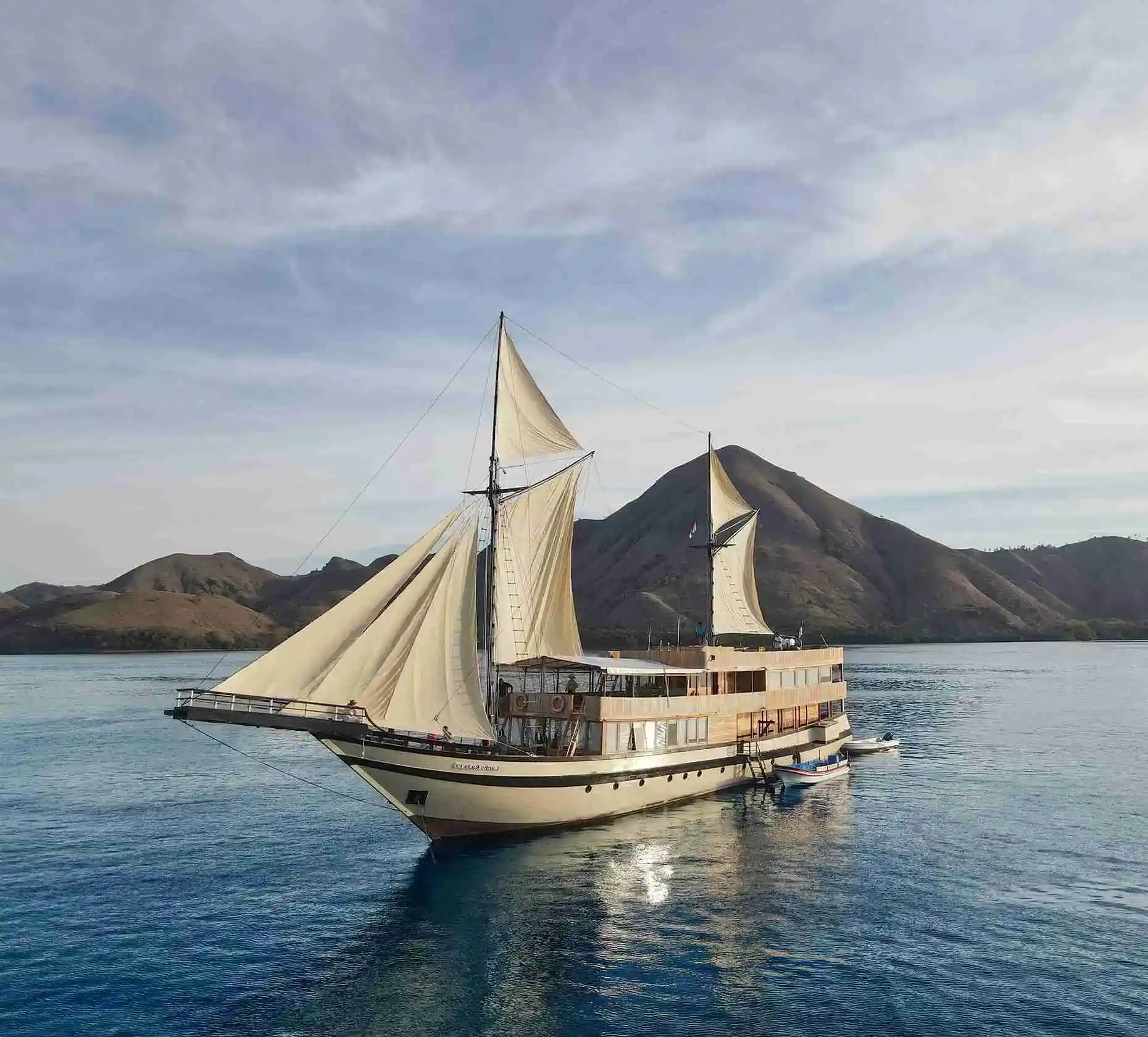
Bulukumba. The hulls are built by hand by people who live there, from timber sourced for the purpose.
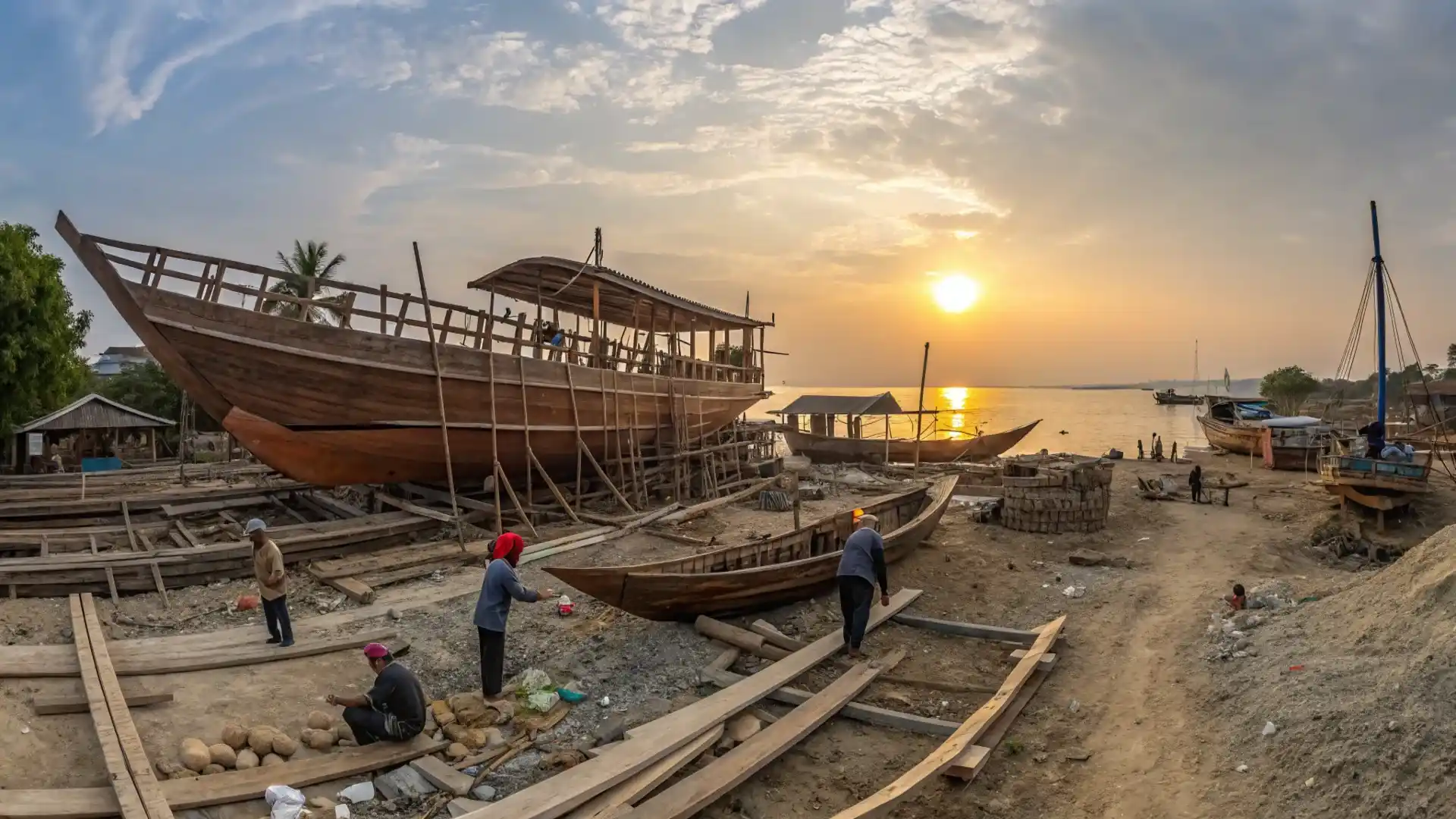
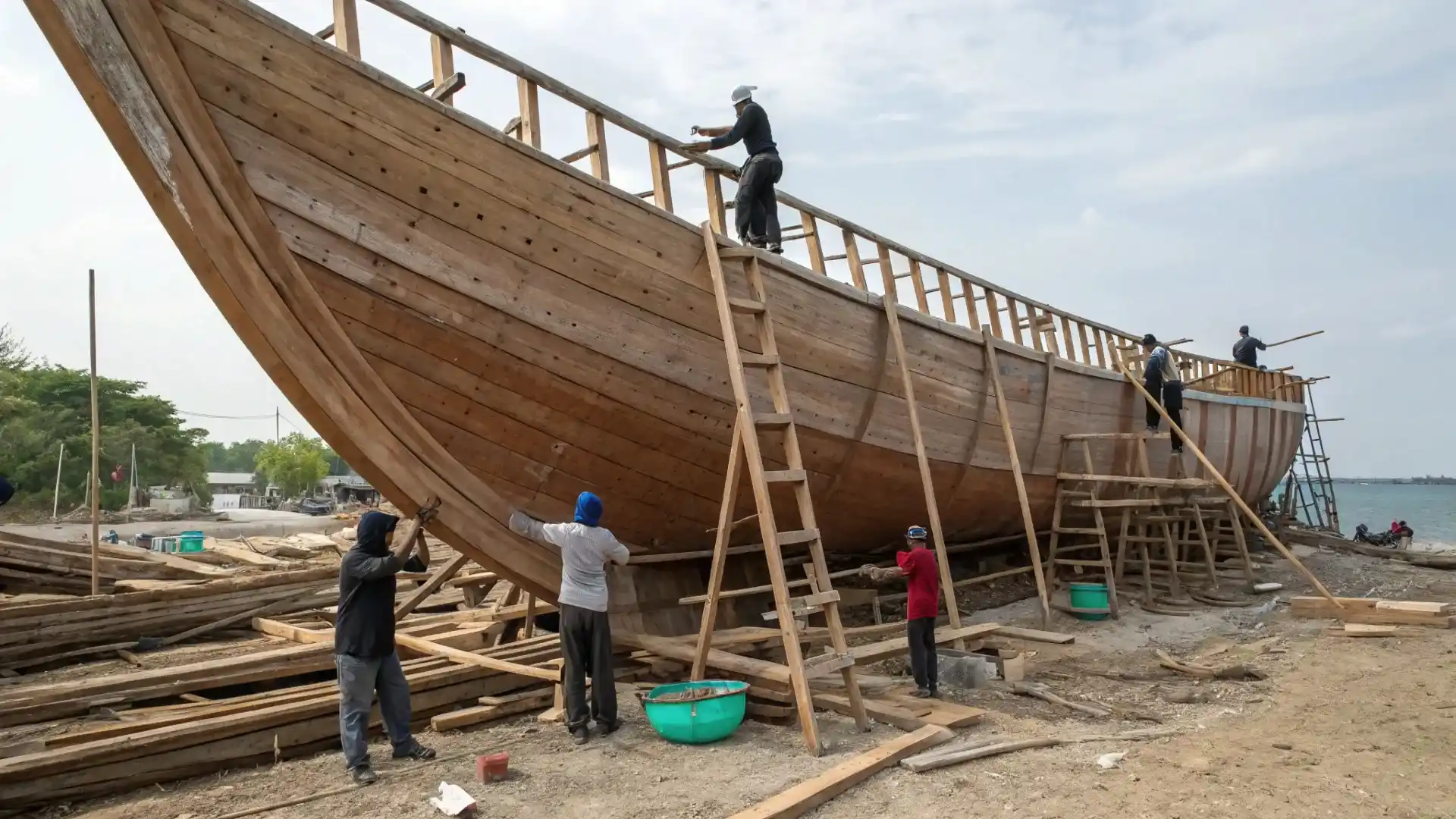
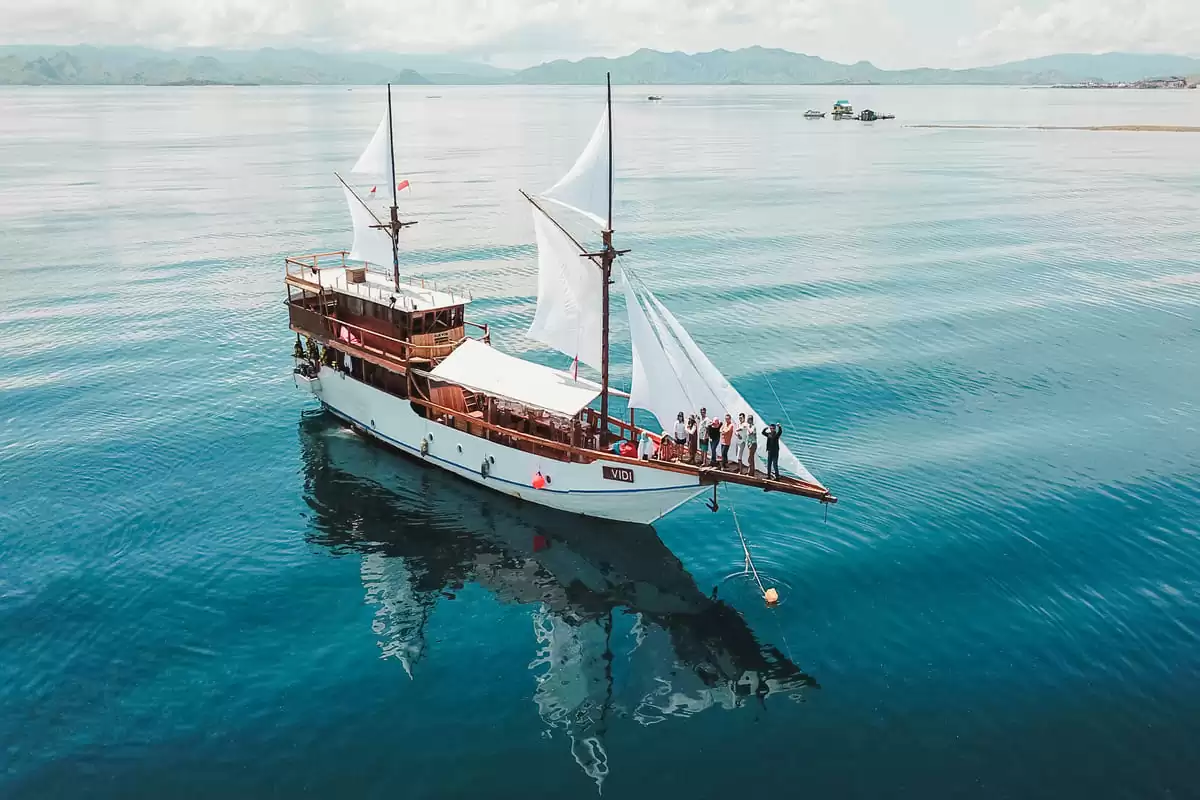
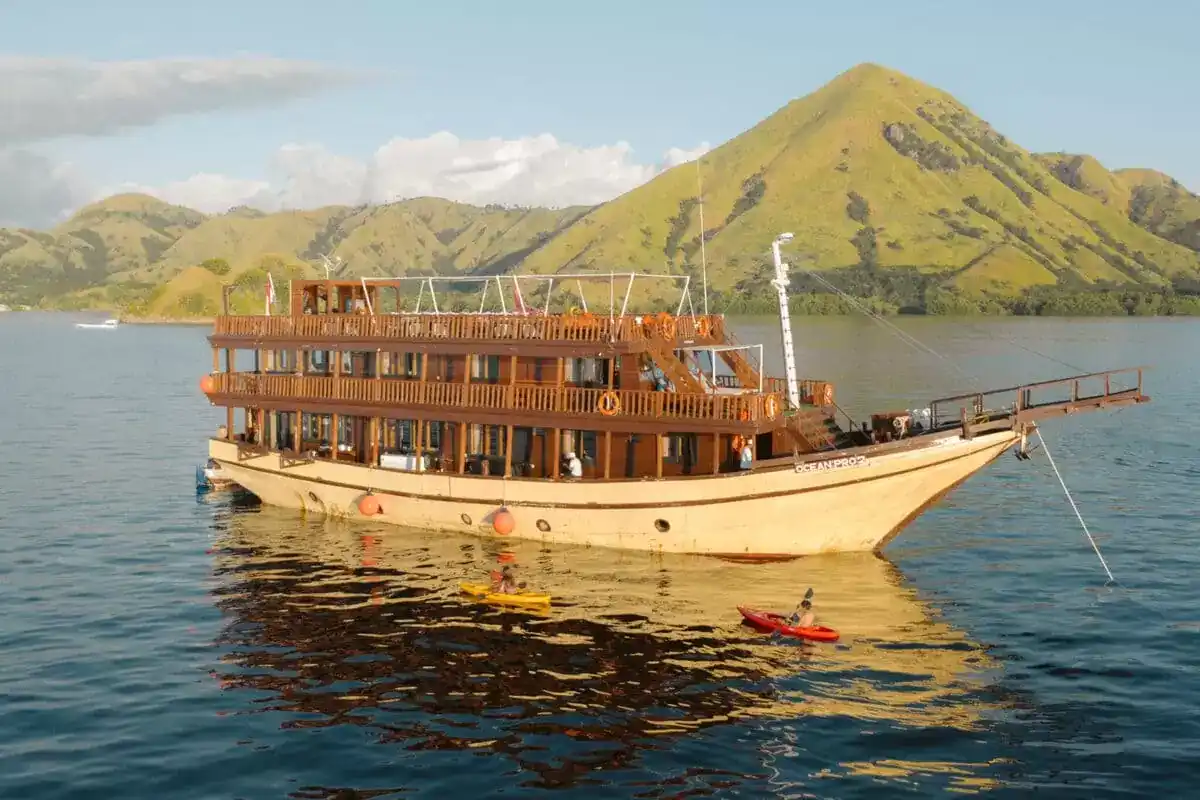
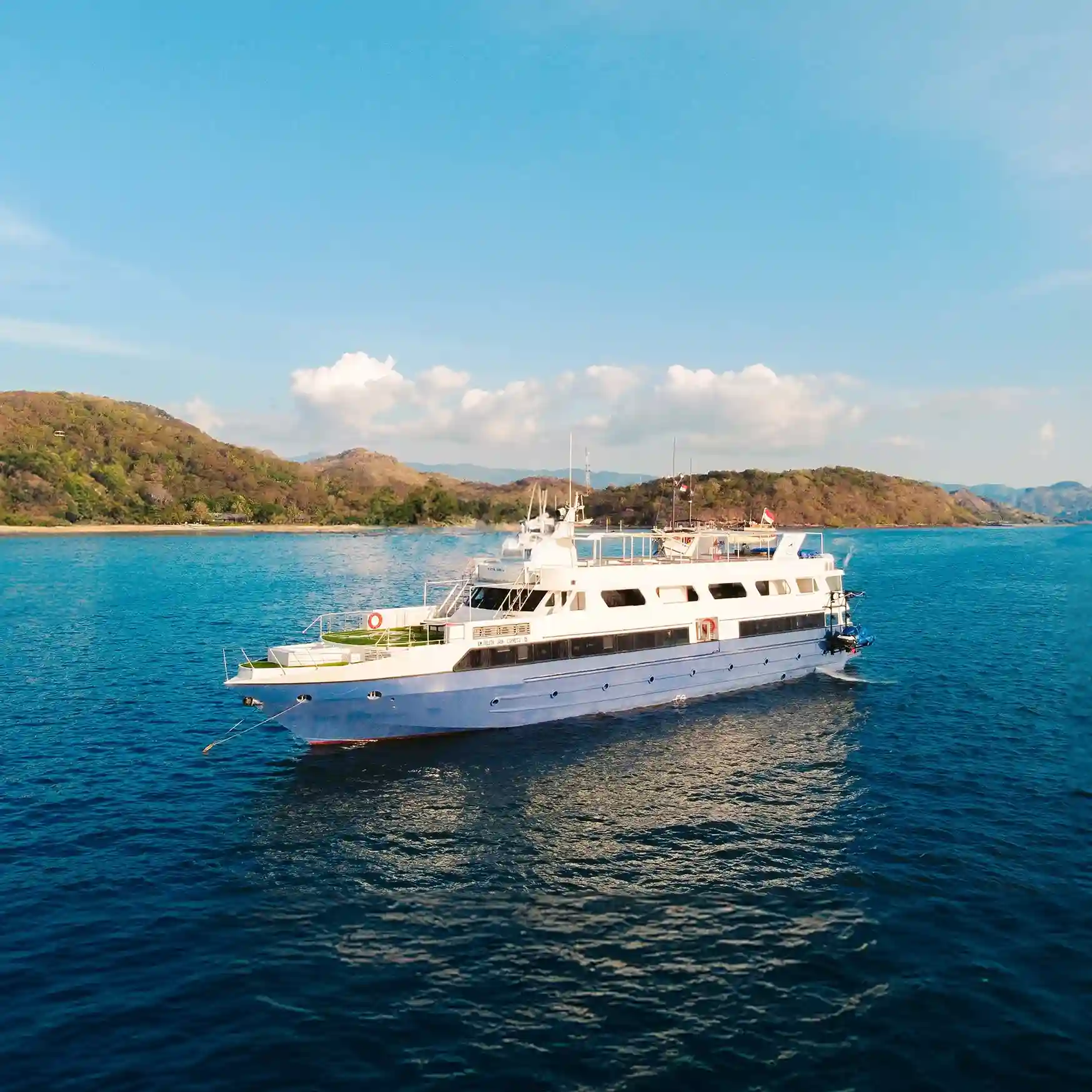
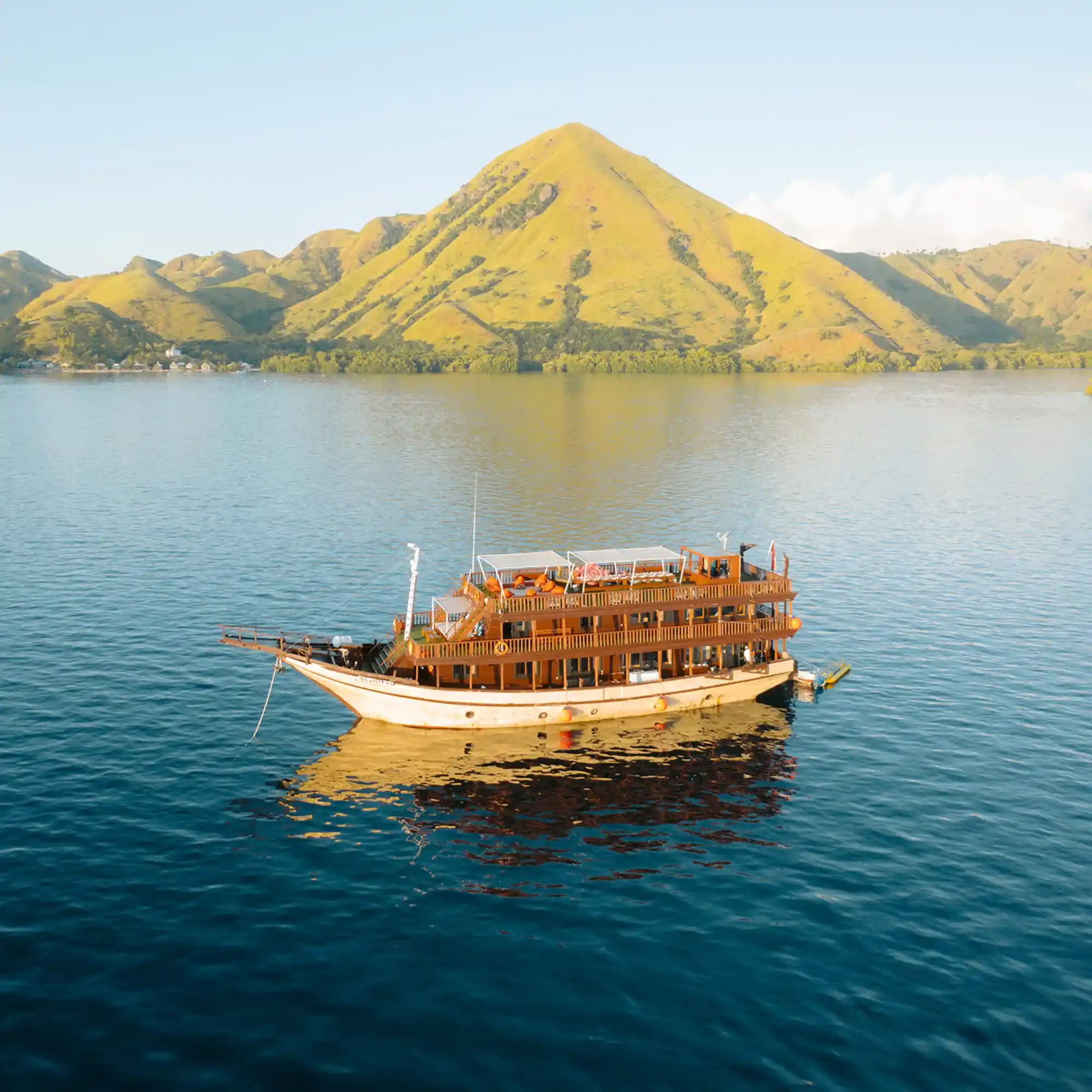
Photography from the group’s own yards and fleet.
Also in this silo
How We Work
Verification
Ask What We Can Actually Show You
Timber sourcing on a specific build, the yard and who works it, the sanitation systems on a specific hull. Those are answerable. A pledge is not, until there is one.
Or call +62 811-3941-4563
- Timber sourcing evidenced per build
- Yard visits arranged — you can meet the craftsmen
- No conservation organisation named without its agreement