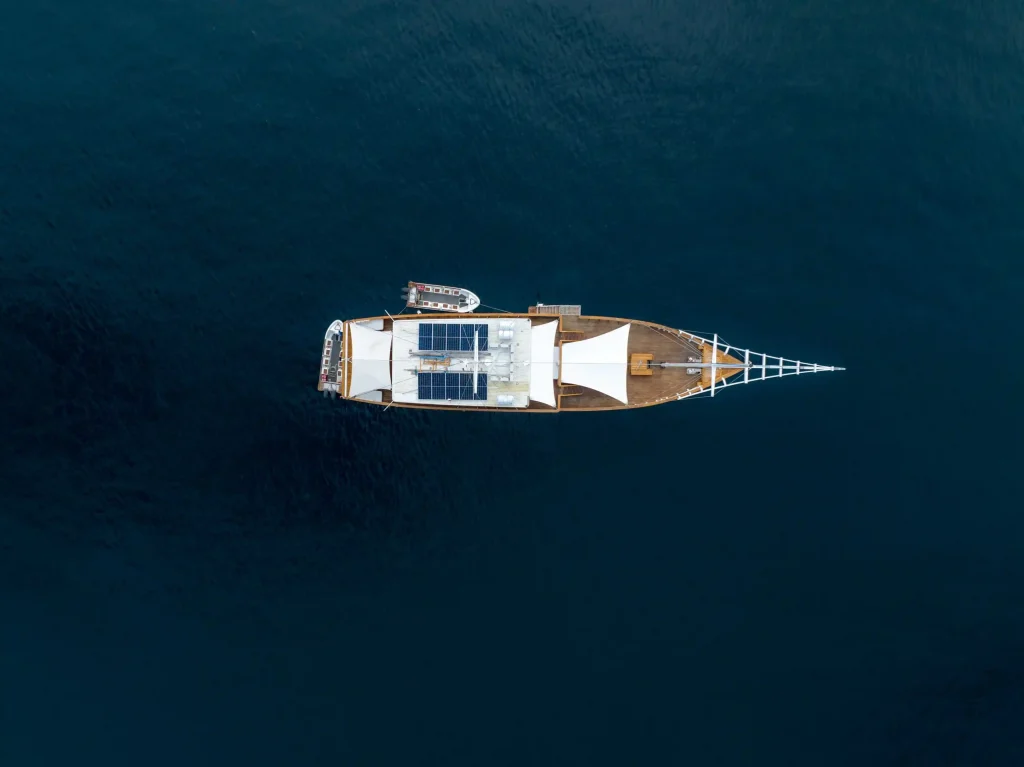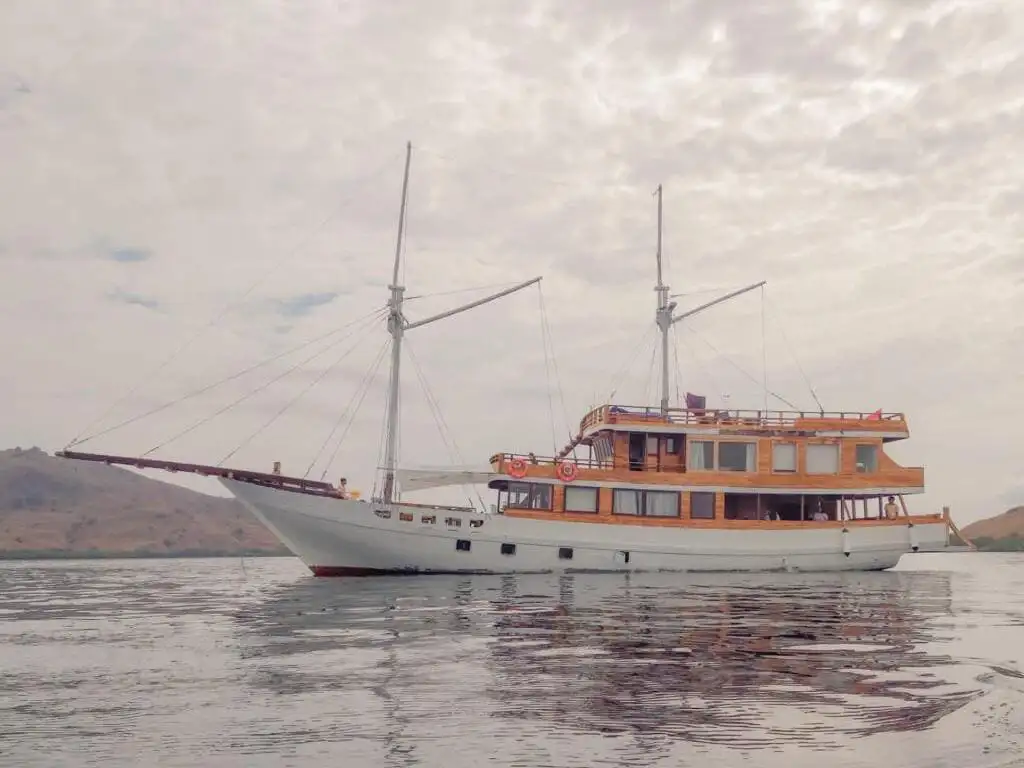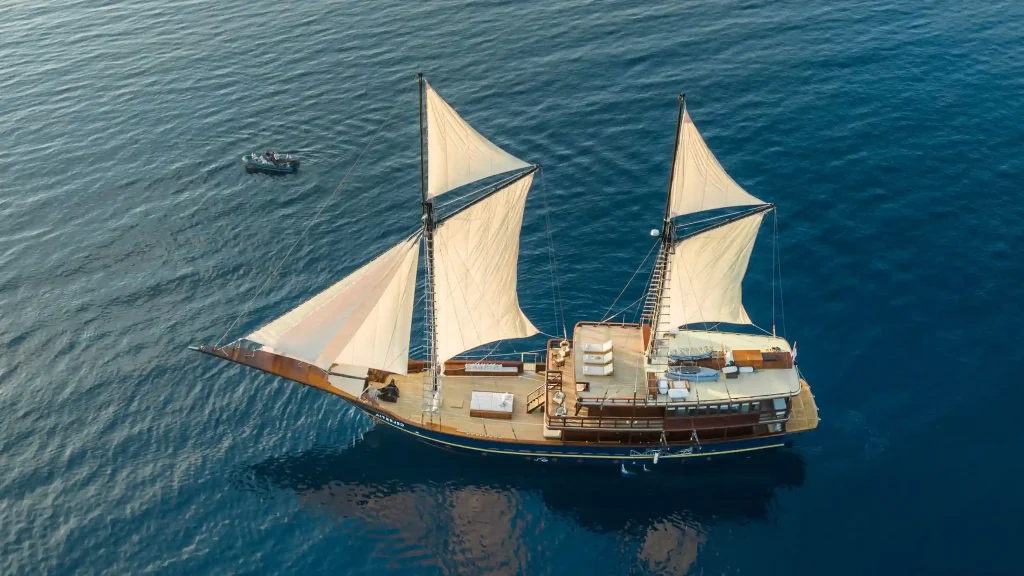
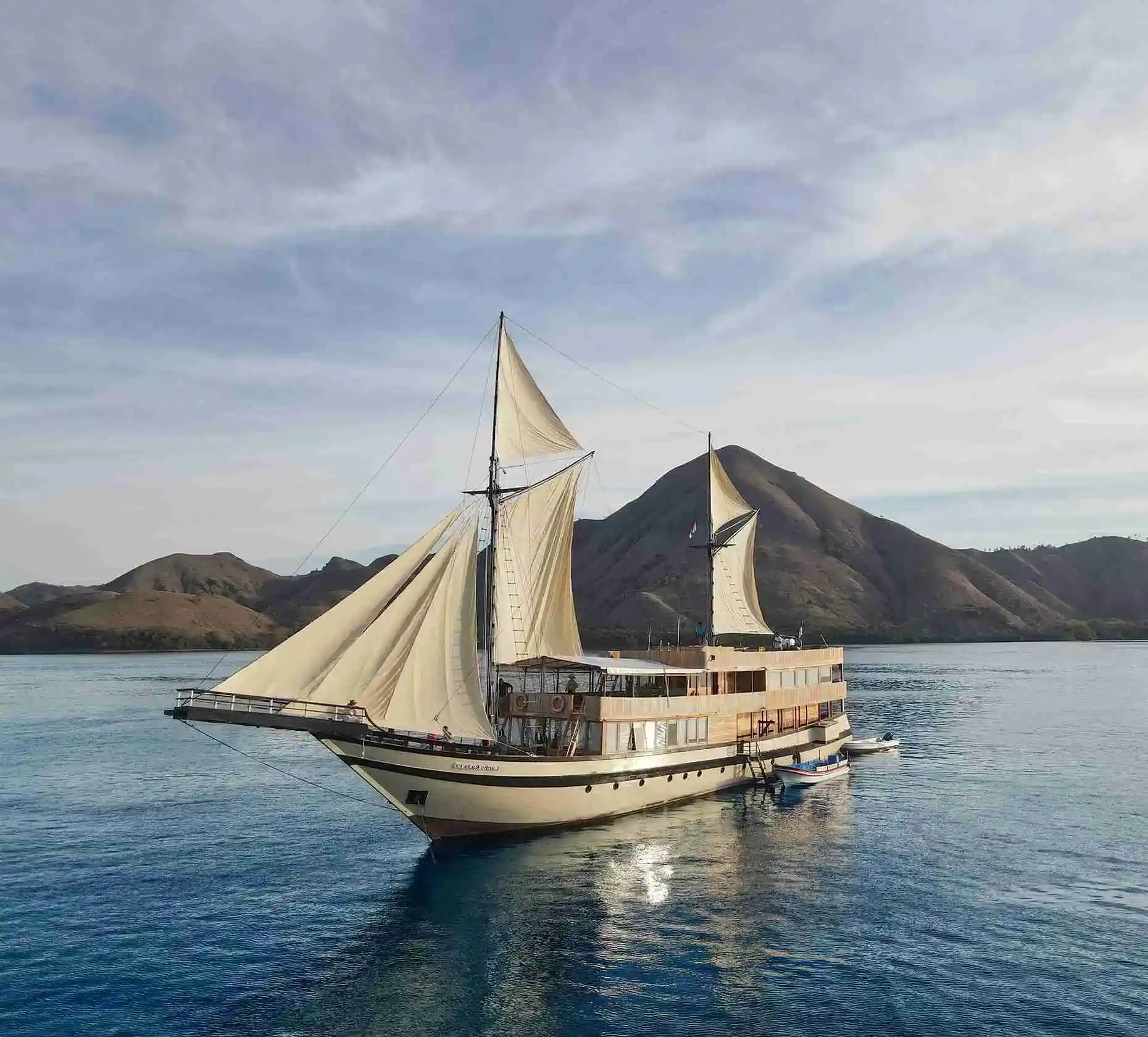
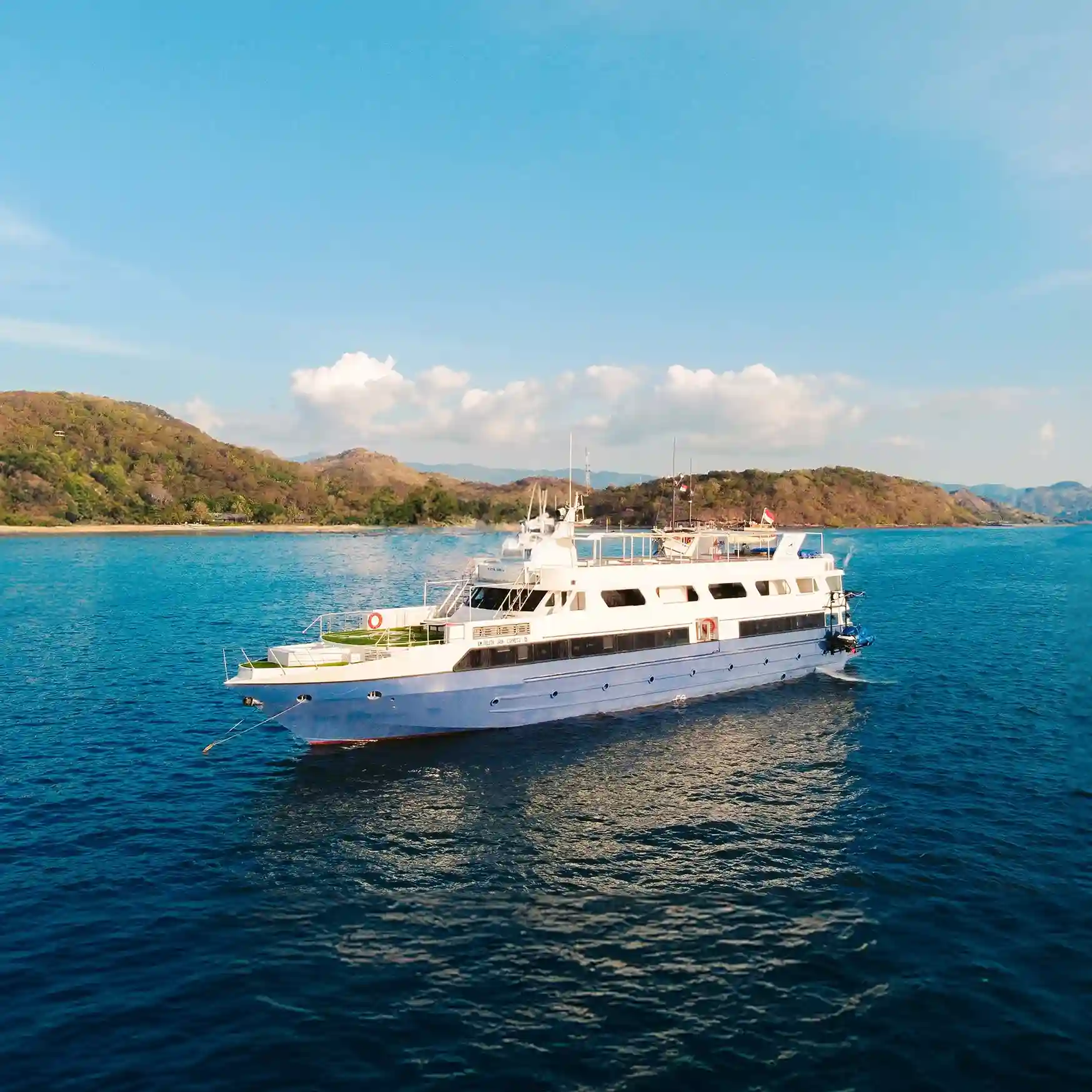
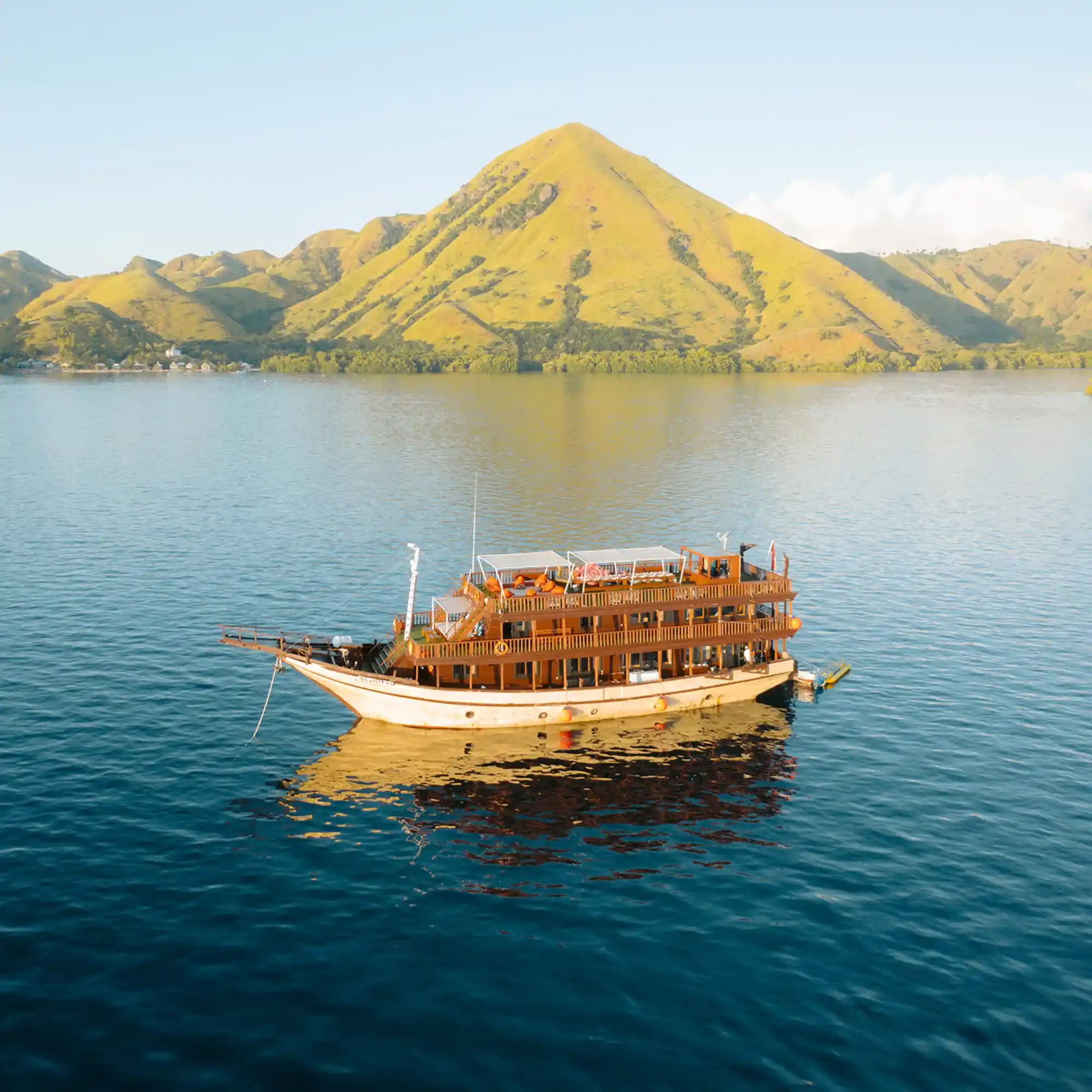

The 20-Metre Class: Compact Phinisi Listings Compared
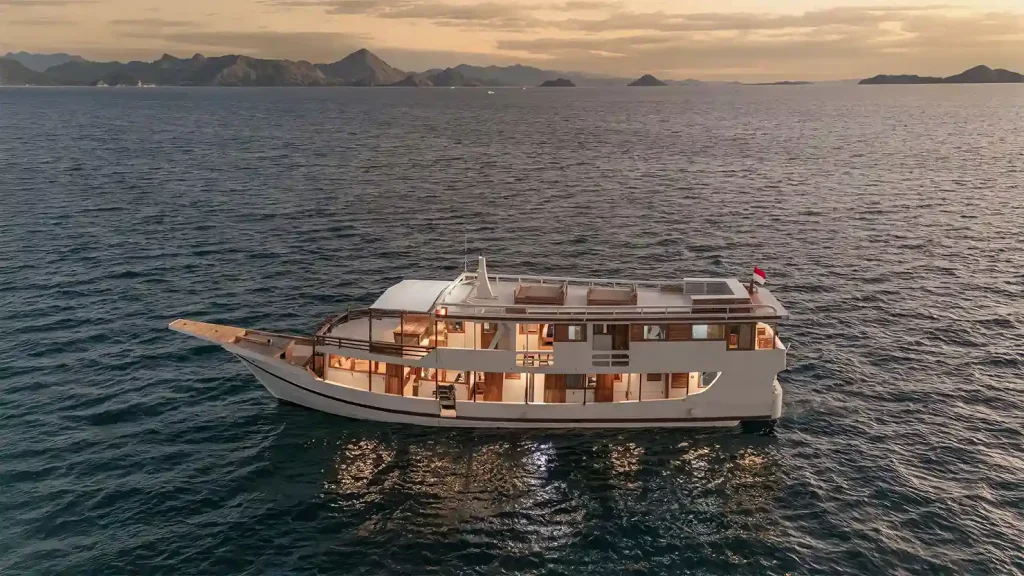
Updated: August 2026
The 20-metre phinisi class is the accessible end of ownership: three to four cabins, six to eight crew, draft commonly under 2.2 metres, and indicative asking prices from roughly USD 300,000 to 650,000. It reaches anchorages larger hulls cannot, and it is the only band where a single owner-operator can realistically run the vessel.
Who this class suits
Three buyer profiles dominate. Private owners who cruise with family and a handful of guests and want the smallest workable crew. Dive operators running focused itineraries where anchorage access matters more than saloon size. And first-time owners testing whether they actually enjoy vessel ownership before committing to a thirty-metre payroll.
What it does not suit is high-end charter. At this length the guest count is too low to carry a premium weekly rate against the same fixed costs, and the cabins are usually too compact to justify one. Owners who want charter revenue should look at the 24-metre band or above.
Typical specification
- Cabins: three to four, sleeping six to eight guests; en-suites on better hulls, shared heads on older ones.
- Crew: six to eight, typically captain, engineer, cook and two to four deck and service crew.
- Machinery: a single main engine around 200–350 hp, and frequently only one generator — the most common weakness in the class, covered in generator redundancy.
- Tanks: fuel around 5,000–9,000 litres, fresh water 3,000–6,000 litres; verify rather than accept, per verifying tank capacities.
- Draft: commonly 1.8–2.2 metres loaded, the class’s strongest advantage.
The advantages that are real
Anchorage access is genuine and significant. A hull drawing under 2.2 metres can work close inshore in bays that a three-metre flagship must observe from a distance, which changes the character of a cruise rather than merely its logistics — see draft and anchorage limits.
Operating cost is the other. A smaller crew, less fuel, a smaller haul-out and lower port fees compound into a materially lighter annual burden. For an owner who cruises eight weeks a year and leaves the vessel maintained but idle for the rest, that difference is the whole argument.
The compromises that are also real
Sea-keeping is the first. A shorter, shallower hull moves more in a swell, and passages between island groups are less comfortable. The second is space: at this length the saloon, the galley and the crew mess compete for the same volume, and something is always compressed — usually the crew, which affects service quality on longer trips. The third is single-point machinery. One engine and one generator means every failure is a full stop.
What to prioritise when comparing hulls
- Second generator, or space for one. The single most valuable upgrade in this class.
- Genuine crew accommodation. Hulls where crew sleep on deck or in the saloon lose crew, and replacing a good engineer in this market takes months.
- Documented haul-out history. Small hulls are often maintained informally; ask for dated yard invoices, per refit records review.
- Tank capacity verified by sounding. Autonomy is tight at this size, so an over-claimed water tank is felt immediately.
- Clean registry file. Smaller vessels change hands more often and informally, and the paperwork trail is correspondingly more likely to have gaps.
Resale characteristics
The compact class has the deepest buyer pool in Indonesia, because the entry price admits domestic operators as well as international owners. That liquidity cuts both ways: hulls sell more readily, and there is more competing supply, so condition and documentation decide the outcome more than in the larger bands. A well-documented twenty-metre hull moves; an undocumented one sits. See depreciation curves for how value behaves over a holding period.
Annual running cost, honestly stated
A twenty-metre phinisi kept in commission absorbs crew wages for six to eight people, an annual haul-out with caulking and antifouling, main engine and generator servicing on hours, insurance, mooring or anchorage costs, and provisioning when in use. The largest single line is almost always crew, and it does not stop when the vessel does — a maintained hull still needs a caretaker crew aboard. Owners who plan to use the vessel for eight weeks a year should budget on the assumption that the other forty-four weeks still cost money, because that is the assumption that survives contact with the first annual cycle.
Request the vessel dossier
Ask for the compact-class shortlist with draft, generator count and last haul-out date on each hull. WhatsApp +62 811-3941-4563 or write to [email protected]. All figures on this site are quoted in USD.
Frequently asked questions
How much does a 20-metre phinisi cost?
Indicative asking prices run from around USD 300,000 for an older hull requiring work to roughly USD 650,000 for a well-maintained and recently refitted vessel. Condition and documentation drive the spread far more than build year does.
How many crew does a 20m phinisi need?
Six to eight in normal service: captain, engineer, cook and two to four deck and service crew. Reducing below that tends to mean the crew are sleeping in guest spaces or the vessel is being run with no engineering cover.
Is a 20-metre phinisi suitable for charter?
It can charter, but the economics are harder than at 24 metres and above, because guest capacity is low relative to fixed costs. It suits focused dive or expedition itineraries better than general luxury charter.
What is the biggest weakness in this class?
Single-point machinery. Most compact hulls carry one main engine and one generator, so any failure stops the vessel entirely. Adding a second generator is the highest-value upgrade available in the class.
Phinisi Boat For Sale is a specialist maritime brand and digital platform under Juara Holding Group. Vessel-sale, construction, refit and repair contracts are issued by PT Komodo Galangan Nusantara. Brokerage, central agency and charter-marketing contracts are issued by PT Komodo Bahari Nusantara. Separate contracts, separate fees, separate ledgers.
Written and checked by the desk. Figures are dated at the point of writing — our editorial standards explains how, and what happens when something here turns out to be wrong.